
Introduction
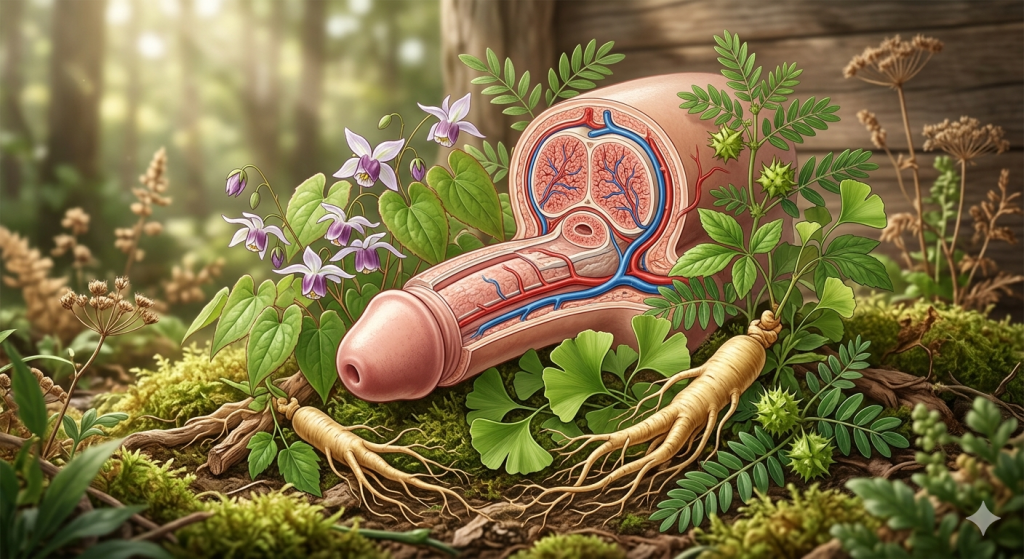
Erectile dysfunction (ED) is a common concern that affects millions of men worldwide. It can impact confidence, relationships, and overall quality of life. While many conventional treatments offer temporary relief, more men are turning to natural alternatives that support long-term sexual health and vitality.
Yusram Stronger Man Liquid Supplement is a carefully formulated herbal solution designed to help men regain confidence, enhance performance, and support healthy erectile function naturally.
Understanding Erectile Dysfunction
Erectile dysfunction is the inability to achieve or maintain an erection firm enough for satisfactory sexual activity. Although occasional difficulties are normal, persistent erectile dysfunction may be linked to factors such as:
- Poor blood circulation
- Stress and anxiety
- Hormonal imbalance
- Fatigue and lack of sleep
- Diabetes and cardiovascular conditions
- Lifestyle habits such as smoking and excessive alcohol consumption
Addressing these underlying factors is essential for improving sexual performance and overall well-being.
Why Choose a Natural Approach?
Natural herbal remedies have been used for centuries to support male reproductive health. Unlike some synthetic alternatives that focus solely on temporary results, herbal formulations aim to nourish the body, promote circulation, and enhance vitality from within.
Power Potion is developed with this holistic approach in mind, helping men support their sexual health naturally.
Benefits
1. Supports Healthy Erectile Function
It contains natural ingredients traditionally known to promote healthy blood flow, which is essential for achieving and maintaining firm erections.
2. Enhances Sexual Performance
Regular use may help improve stamina, endurance, and overall performance, allowing men to enjoy more satisfying intimate experiences.
3. Boosts Energy and Vitality
Fatigue and low energy levels can negatively affect sexual health. Power Potion is formulated to help increase natural energy and support overall vitality.
4. Promotes Confidence
Improved performance often leads to greater self-confidence and reduced anxiety, helping men feel more comfortable and secure in their relationships.
5. Supports Overall Wellness
A healthy body contributes to healthy sexual function. It works as part of a broader wellness approach, supporting general health and well-being.
Who Can Benefit from Yusram Stronger Man Liquid Supplement?
It may be suitable for men who:
- Experience occasional or persistent erectile difficulties
- Want to improve sexual stamina and performance
- Seek a natural alternative to synthetic products
- Desire increased energy and vitality
- Wish to support overall reproductive health
Lifestyle Tips for Better Results
To maximize the benefits of Yusram Stronger Man Liquid Supplement, consider adopting healthy lifestyle habits:
- Eat a balanced, nutrient-rich diet
- Exercise regularly
- Maintain a healthy weight
- Get adequate sleep
- Manage stress effectively
- Avoid excessive alcohol consumption and smoking
These habits can significantly contribute to better sexual health and overall wellness.
Take Control of Your Sexual Health Today
Erectile dysfunction does not have to define your life. With the right support and a commitment to healthy living, you can regain confidence and improve your performance naturally.
Yusram Stronger Man Liquid Supplement is designed to help men take a proactive approach to their sexual wellness by supporting healthy erectile function, enhancing stamina, and promoting overall vitality.
Ready to Experience the Difference?
Don’t let erectile dysfunction hold you back. Discover how Power Potion can help you reclaim your confidence and enjoy a healthier, more fulfilling life.
Order your Yusram Stronger Man Liquid Supplement today and take the first step toward improved performance and renewed vitality.
Disclaimer: This article is for informational purposes only and is not intended to diagnose, treat, cure, or prevent any disease. Individuals with medical conditions should consult a qualified healthcare professional before using herbal supplements.
