
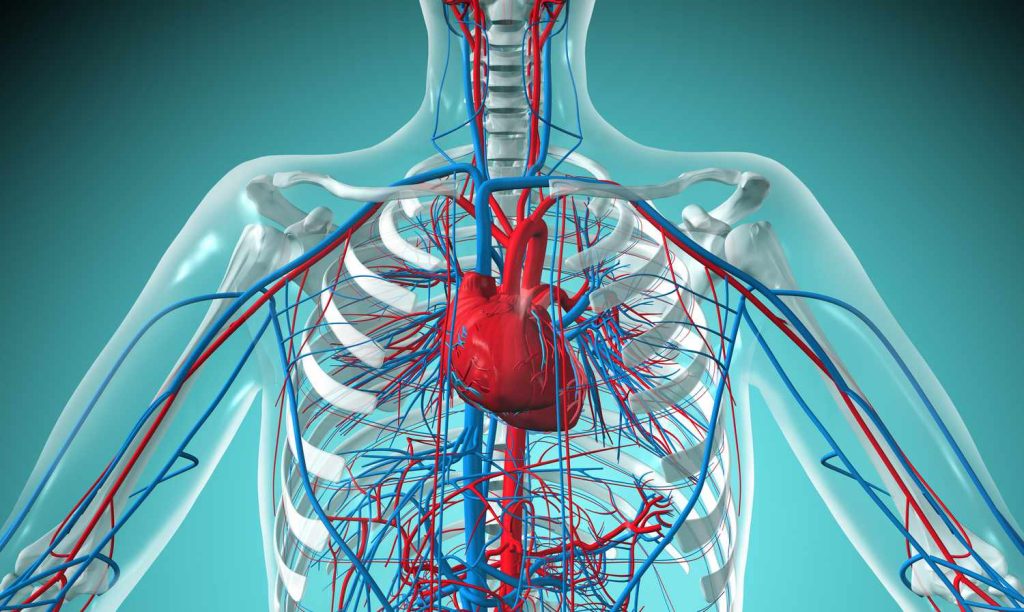
The cardiovascular system, often referred to as the circulatory system, is a complex network responsible for transporting nutrients, oxygen, hormones, and waste products throughout the body. Comprising the heart, blood vessels, and blood, this intricate system plays a vital role in sustaining life and maintaining homeostasis.
The Heart: Engine of Life
At the center of the cardiovascular system lies the heart, a muscular organ roughly the size of a fist. Positioned slightly left of the body’s midline, the heart is divided into four chambers: two atria (upper chambers) and two ventricles (lower chambers). These chambers work in synchrony to pump blood throughout the body.
The right side of the heart receives deoxygenated blood from the body through the superior and inferior vena cavae. This blood is then pumped into the lungs via the pulmonary arteries, where it picks up oxygen and releases carbon dioxide. Oxygenated blood returns to the left side of the heart via the pulmonary veins, from where it is pumped out to the rest of the body through the aorta and its branches.
Blood Vessels: Highways of Circulation
The circulatory system includes a vast network of blood vessels that transport blood to and from the heart. Arteries carry oxygenated blood away from the heart to the body’s tissues and organs, while veins return deoxygenated blood back to the heart. Capillaries, the smallest blood vessels, facilitate the exchange of gases, nutrients, and waste products between the blood and tissues.
The structure of blood vessels varies depending on their function. Arteries have thick, muscular walls to withstand the high pressure generated by the heart’s contractions. Veins possess thinner walls and contain valves that prevent the backflow of blood. Capillaries, with their thin walls, allow for the efficient exchange of substances between the blood and surrounding tissues.
Blood: Lifeline of the Body
Blood is the medium through which nutrients, gases, and waste products are transported throughout the body. Composed of plasma, red blood cells, white blood cells, and platelets, blood performs various essential functions.
- Plasma: The liquid component of blood, plasma carries nutrients, hormones, and waste products. It also plays a crucial role in maintaining blood pressure and pH balance.
- Red Blood Cells (RBCs): These specialized cells contain hemoglobin, a protein that binds to oxygen and carbon dioxide. RBCs transport oxygen from the lungs to tissues and carry carbon dioxide back to the lungs for exhalation.
- White Blood Cells (WBCs): Part of the body’s immune system, WBCs defend against pathogens and foreign invaders, such as bacteria and viruses.
- Platelets: Fragments of cells involved in blood clotting, platelets help seal wounds and prevent excessive bleeding.
Regulation of Cardiovascular Function
The cardiovascular system is regulated by various mechanisms to ensure optimal functioning and adaptability to changing physiological demands. The autonomic nervous system, hormones, and local factors such as temperature and tissue oxygenation all play roles in regulating heart rate, blood pressure, and blood flow distribution.
Common Cardiovascular Disorders
Despite its remarkable efficiency, the cardiovascular system is susceptible to various disorders, including:
- Hypertension (High Blood Pressure): Persistent elevation of blood pressure, which can lead to increased risk of heart disease, stroke, and other complications.
- Coronary Artery Disease: Narrowing or blockage of the coronary arteries, often due to the buildup of plaque, leading to reduced blood flow to the heart muscle.
- Heart Failure: Inability of the heart to pump blood effectively, resulting in symptoms such as fatigue, shortness of breath, and fluid retention.
- Arrhythmias: Irregular heart rhythms that can disrupt normal heart function and may lead to palpitations, dizziness, or fainting.
Conclusion
The cardiovascular system is a remarkable network essential for sustaining life. Its intricate interplay of the heart, blood vessels, and blood ensures the delivery of oxygen and nutrients to tissues while removing waste products. Understanding the structure and function of the cardiovascular system is vital for maintaining cardiovascular health and preventing associated disorders. By adopting a healthy lifestyle and managing risk factors, individuals can promote the longevity and vitality of their cardiovascular system.
I’m unable to directly provide images, but I can guide you on how to find relevant images of the cardiovascular system.
- Search Engines: Use search engines like Google Images or Bing Images to search for terms like “cardiovascular system,” “heart anatomy,” “blood vessels,” or “circulatory system.” You’ll find a wide range of images depicting the structure and function of the cardiovascular system.
- Medical Websites: Explore reputable medical websites such as WebMD, Mayo Clinic, or MedlinePlus. These sites often provide educational resources, including diagrams and illustrations of the cardiovascular system.
- Anatomy Atlases: Online anatomy atlases or textbooks, such as Visible Body or AnatomyZone, offer detailed illustrations and interactive diagrams of the cardiovascular system.
- Educational Videos: Platforms like YouTube may have educational videos that include visual representations of the cardiovascular system. You can search for anatomy tutorials or educational videos created by medical professionals or academic institutions.
- Medical Illustration Websites: Websites specializing in medical illustrations, such as Science Source or Shutterstock, offer high-quality images and diagrams of the cardiovascular system. You may need to purchase these images or obtain them through a subscription service.
When searching for images, ensure they come from reputable sources to ensure accuracy and educational value. If you need assistance interpreting or understanding any images you find, feel free to describe them, and I can help explain their relevance to the cardiovascular system.

