
Introduction:
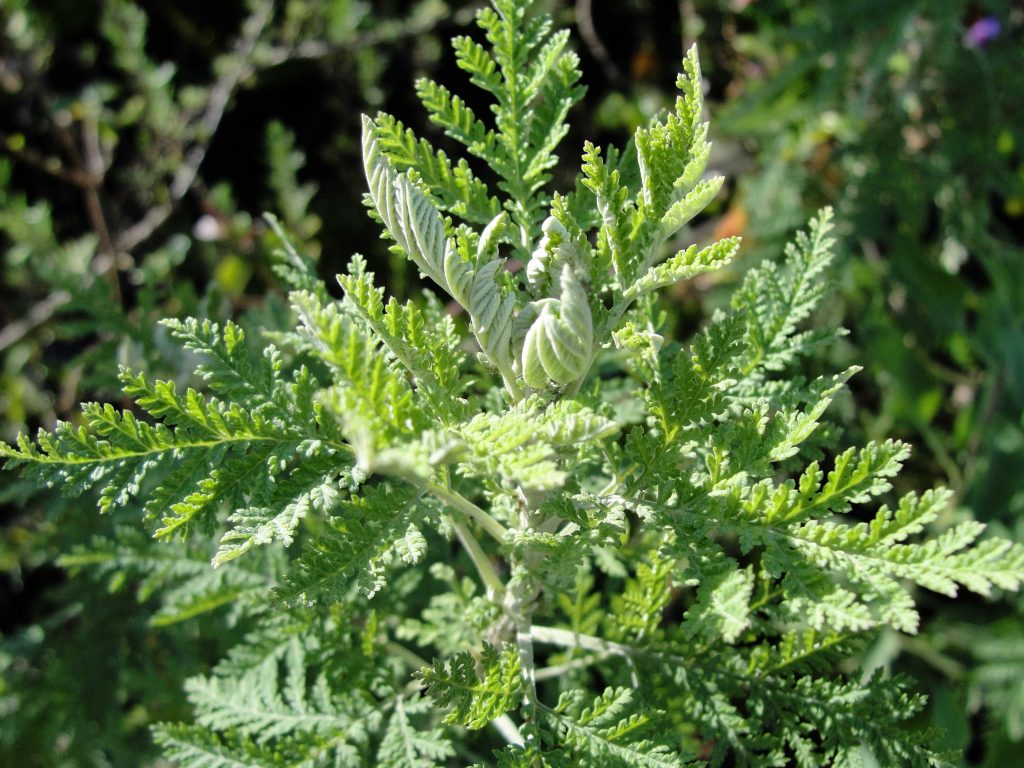
Artemisia afra, commonly known as African wormwood or Wilde als, is a remarkable plant native to the African continent. Revered for its potent medicinal properties and cultural significance, Artemisia afra has a rich history spanning centuries. From traditional remedies to modern scientific exploration, this herb continues to captivate researchers and healers alike. Let’s delve into the fascinating world of Artemisia afra and uncover its diverse uses and benefits.
Historical Roots:
The usage of Artemisia afra traces back centuries, deeply rooted in African traditional medicine. Indigenous communities across the continent have long revered this herb for its therapeutic effects. It has been employed to treat various ailments, ranging from respiratory conditions to digestive disorders. Additionally, Artemisia afra holds cultural significance in many African societies, often featuring prominently in rituals and ceremonies.
Medicinal Properties:
Artemisia afra boasts a plethora of medicinal properties, making it a versatile herb in natural healing practices. It contains essential oils, flavonoids, and other compounds known for their antibacterial, antifungal, and anti-inflammatory properties. These properties make Artemisia afra effective in combating infections, relieving pain, and promoting overall well-being. Furthermore, recent studies have highlighted its potential in managing conditions such as malaria and diabetes, sparking interest in its therapeutic applications.
Traditional Uses:
In traditional African medicine, Artemisia afra is utilized in various forms, including teas, tinctures, and topical preparations. It is often employed to alleviate symptoms of respiratory ailments like coughs, colds, and asthma. Additionally, Artemisia afra is valued for its ability to aid digestion, ease menstrual discomfort, and promote relaxation. The holistic approach of traditional healers recognizes the interconnectedness of the body, mind, and spirit, viewing Artemisia afra as a valuable tool in restoring balance and harmony.
Modern Research and Innovation:
In recent years, scientific interest in Artemisia afra has surged, leading to extensive research into its medicinal properties. Studies have elucidated its mechanisms of action and validated many of its traditional uses. Moreover, the discovery of artemisinin, a compound derived from Artemisia annua (a close relative of Artemisia afra), revolutionized malaria treatment worldwide. This breakthrough has spurred further investigation into Artemisia species, including Artemisia afra, as potential sources of novel therapeutics.
Challenges and Opportunities:
Despite its promising potential, Artemisia afra faces challenges, including habitat loss, overharvesting, and insufficient research funding. Conservation efforts are crucial to safeguarding this invaluable plant and preserving its biodiversity. Additionally, there is a need for further clinical trials to explore its efficacy and safety comprehensively. Collaborative initiatives involving researchers, healthcare practitioners, and local communities can facilitate sustainable utilization and harness the full benefits of Artemisia afra.
Conclusion:
Artemisia afra stands as a testament to the profound wisdom of traditional healing practices and the untapped potential of nature’s pharmacy. Its rich history, diverse uses, and medicinal properties underscore its significance in African culture and global health. As we continue to unravel its mysteries and harness its healing power, let us embrace Artemisia afra as a symbol of resilience, innovation, and harmony with nature.
- Soil Stabilization: Artemisia afra has a robust root system that helps prevent soil erosion. By anchoring soil particles in place, it reduces the risk of landslides and maintains soil fertility. This is especially valuable in regions prone to erosion, where the presence of Artemisia afra can help stabilize vulnerable landscapes.
- Habitat and Biodiversity: As a native plant species, Artemisia afra plays a vital role in supporting local biodiversity. Its presence provides habitat and food sources for various insects, birds, and small mammals. By fostering diverse ecosystems, Artemisia afra contributes to the resilience and sustainability of natural environments.
- Medicinal Plant Diversity: Artemisia afra adds to the diversity of medicinal plants within ecosystems where it grows. Preserving this diversity is essential for maintaining ecosystem health and resilience. Furthermore, the cultivation of Artemisia afra can reduce pressure on wild populations, promoting sustainable harvesting practices and conserving biodiversity.
- Carbon Sequestration: Like many plants, Artemisia afra absorbs carbon dioxide from the atmosphere during photosynthesis, helping mitigate climate change by sequestering carbon. While individual plants may contribute modestly to carbon storage, collectively, they play a part in the global carbon cycle and ecosystem carbon dynamics.
- Invasive Species Control: In some regions, Artemisia afra competes with invasive plant species for resources such as water, nutrients, and sunlight. Its growth can help suppress the spread of invasive plants, thereby preserving native vegetation and restoring ecological balance.
- Water Management: The deep root system of Artemisia afra enables it to access water from deeper soil layers, contributing to water infiltration and groundwater recharge. This can be particularly beneficial in arid and semi-arid regions, where water availability is limited, by enhancing water retention in the soil and supporting vegetation resilience during dry periods.
- Aesthetic and Recreational Value: Beyond its ecological contributions, Artemisia afra enhances the aesthetic appeal of natural landscapes, providing visual interest and biodiversity. Its aromatic foliage also adds to the sensory experience of outdoor environments, contributing to the enjoyment of recreational activities such as hiking and nature appreciation.