
The Secret Health Benefits of Red Clover Blossoms

Introduction: A Powerful Herb Hidden in Plain Sight The Red Clover flower (Trifolium pratense) is more than just a beautiful wild blossom. Known for its vibrant pinkish-purple petals, this herbal plant has been valued for centuries in traditional wellness practices and is now gaining renewed attention in modern natural health circles. Native to regions such as Europe, Western Asia, and Northwest Africa, red clover now grows widely across the world, including North America. It is commonly found in meadows, pastures, and open fields, where it also plays an important ecological role by enriching the soil naturally. Beyond its beauty, red clover is recognized for its rich nutritional profile and diverse wellness applications. What Makes Red Clover So Special? Red clover belongs to the Fabaceae (legume) family, which is known for plants that support soil fertility. However, what makes red clover especially valuable is its high concentration of isoflavones—plant compounds that behave similarly to estrogen in the body. This unique composition makes red clover a popular herb in natural wellness routines, particularly for supporting hormonal balance and overall vitality. Health Benefits of Red Clover Blossoms Red clover has been traditionally used for a variety of wellness purposes. Below are some of its most commonly recognized benefits: 1. Hormonal Balance Support Red clover contains natural isoflavones that may help support hormonal balance, especially during life stages such as menopause. It is often used to help ease common symptoms like hot flashes and night sweats. 2. Bone Health Support Research suggests that red clover may help support bone density, which can be beneficial for maintaining strong bones and reducing the risk of age-related bone weakening. 3. Heart and Circulatory Wellness Its natural anti-inflammatory properties may support healthy blood circulation and cardiovascular function, contributing to overall heart wellness. 4. Skin Health and Radiance Red clover is rich in antioxidants that help protect the skin from oxidative stress. It is traditionally used to support clearer, healthier-looking skin and may help soothe skin discomfort. 5. Natural Detox Support Often described in herbal traditions as a “blood purifier,” red clover is believed to support the body’s natural detoxification processes and promote liver health. 6. Respiratory Comfort Red clover has also been used in traditional herbal practices to support respiratory comfort, especially during seasonal coughs and mild bronchial discomfort. How to Use Red Clover in Everyday Life Incorporating red clover into your wellness routine is simple and versatile. Here are a few popular methods: Herbal Tea One of the most common ways to enjoy red clover is as a tea. Simply steep 1–2 teaspoons of dried red clover blossoms in hot water for 10–15 minutes. You may add honey for taste and enjoy it as a calming herbal drink. Culinary Use Fresh red clover blossoms can be added to salads for a mild, slightly sweet flavor and decorative touch. They can also be blended into smoothies for an extra herbal boost. Herbal Supplements For convenience, red clover is available in tincture and capsule form. These options are often used by individuals targeting specific wellness goals. Infused Oils Red clover flowers can be infused into carrier oils and used for skincare routines, helping to nourish and soothe the skin naturally. Baking and Recipes Dried red clover blossoms can be added to baked goods such as muffins, bread, or granola for a unique herbal twist. Important Precautions While red clover is generally considered safe for many people, it should be used with care: Conclusion: Nature’s Gentle Wellness Support Red clover blossoms are far more than decorative wildflowers. They represent a powerful natural herb with a long history of traditional use and a growing presence in modern wellness practices. Whether you are seeking hormonal balance support, skin nourishment, cardiovascular wellness, or simply a soothing herbal tea, red clover offers a versatile and natural option for supporting overall well-being. By integrating this remarkable plant into your daily routine, you can tap into the gentle yet powerful benefits of nature’s pharmacy.
Natural Remedies and Holistic Healing Methods for Fibroids

Fibroids, also known as uterine leiomyomas, are non-cancerous growths that develop in or on the uterus. Fibroids originate from the smooth muscle cells of the uterus. They develop when a single cell divides repeatedly, forming a firm and rubbery mass distinct from surrounding tissue. While the exact cause remains unclear, several factors are thought to contribute to fibroid development and they include: Genetic predisposition: A family history of fibroids increases the likelihood of one developing them; Hormonal imbalance: Estrogen and progesterone, the primary female hormones, promote fibroid growth by stimulating the uterine lining; Growth factors: Substances like insulin-like growth factor (IGF) can also contribute to fibroid development. How Fibroids Grow and Affect the Body Fibroids vary in size, location, and growth rate. Some remain small and asymptomatic, while others grow large and cause significant health issues. Their growth is fueled primarily by estrogen and progesterone, which are at their peak during reproductive years. Effects on the Body Natural Methods to Reduce and Eliminate Fibroids Understanding and managing the hormonal imbalances and other factors contributing to fibroids is crucial. Below are detailed approaches to address fibroids naturally: 1. Reducing Boltine: Boltine, an excess protein produced by some fibroids, can encourage further growth. Maintaining a balanced diet rich in antioxidants and avoiding processed foods can help regulate proteins in the body. 2. Reducing Estrogen Levels Excess estrogen is a key driver of fibroid growth. Strategies to reduce estrogen include: 3. Increasing Dopamine Levels Dopamine, a neurotransmitter, can help regulate prolactin levels, which, when elevated, can worsen fibroid growth. To boost dopamine: 4. Reducing High Prolactin Levels High prolactin levels can stimulate fibroid growth. To manage prolactin: 5. Balancing Estrogen and Progesterone Levels Maintaining a hormonal balance is crucial in managing fibroids. Ways to achieve this include: Traditional Herbal Methods Traditional herbal remedies have been used for centuries to address fibroids. Below are some effective options: Lifestyle Adjustments for Fibroid Management Fibroids can be challenging to manage, but with a holistic approach focusing on diet, lifestyle, and natural remedies, their growth can be minimized, and symptoms alleviated.. By addressing hormonal imbalances and incorporating supportive herbs and foods, you can take proactive steps toward better uterine health.
Power of Garlic

Garlic, scientifically known as “Allium sativum”, has a storied history that underscores its significance not only as a culinary staple but also as a potent natural remedy. From ancient civilizations to modern kitchens, garlic has been celebrated for its health benefits and versatility. Garlic’s journey began over 5,000 years ago in Central Asia, particularly around the regions that are now Turkmenistan, Iran, and Pakistan. Ancient civilizations quickly recognized its medicinal properties. The Egyptians, Greeks, and Romans all valued garlic for its healing potential, incorporating it into their diet and medicine. Garlic is not only flavorful but also packed with essential nutrients like: – Vitamins: B6, C, and some B vitamins. – Minerals: Manganese, calcium, potassium, and iron. – Antioxidants: Allicin, the key compound in garlic, is noted for its potent antioxidant and anti-inflammatory properties. Harnessing Garlic’s Healing Potentials To fully harness garlic’s healing potentials, it’s essential to understand how best to prepare and consume it. The compound allicin, which is responsible for many of garlic’s health benefits, is most potent when garlic is raw or lightly processed. Here are some effective ways to maximize its benefits: 1. Raw Garlic: Consuming raw garlic is one of the most effective ways to enjoy its health benefits. Crushing or chopping garlic and letting it sit for about 10 minutes before consuming helps activate allicin. You can add raw garlic to salads, dressings, or simply eat a clove on its own. 2. Garlic Infused Oil: Garlic-infused oil can be a great way to incorporate garlic into your cooking. However, be cautious about storing homemade garlic oil, as it can be a breeding ground for bacteria. Use it within a week and keep it refrigerated. 3. Garlic Supplements: If you find it difficult to incorporate garlic into your diet, supplements are an alternative. Garlic supplements are available in various forms, including capsules, powders, and extracts. Consult with a healthcare provider to choose a suitable form and dosage. 4. Cooked Garlic: Cooking garlic can reduce its allicin content, but it still retains various beneficial compounds. Adding garlic to soups, stews, and stir-fries is an excellent way to enhance flavor and nutritional value. Ways to incorporate Garlic in Daily Life 1. Cooking: Garlic can be used in a multitude of dishes to add depth and flavor. It’s a key ingredient in cuisines worldwide, from Italian pasta sauces and Spanish paella to Indian curries and Middle Eastern hummus. 2. Garlic Paste: Make a garlic paste by mashing garlic cloves with a pinch of salt. This paste can be used as a marinade for meats, a base for sauces, or an addition to soups and stews. 3. Garlic Tea: To soothe a sore throat or boost your immune system, try garlic tea. Simply steep a few crushed garlic cloves in hot water for 10 minutes. You can add honey and lemon for extra flavor and benefits. 4. Garlic in Dressings and Sauces: Incorporate garlic into salad dressings, marinades, and sauces to enhance flavor and add a healthful punch to your meals. 5. Garlic in Baking: Garlic can also be used in baking. Try adding minced garlic to bread dough or savory muffins for a unique twist. While garlic is generally safe for most people, it’s important to be mindful of a few considerations: – Digestion: Garlic can cause digestive discomfort in some individuals, especially when consumed in large amounts. Start with small quantities and observe how your body responds. – Medication Interactions: Garlic can interact with certain medications, particularly blood thinners. If you’re on medication, consult with your healthcare provider before making significant changes to your garlic consumption. – Allergies: Some people may have allergic reactions to garlic. If you experience symptoms such as itching, swelling, or difficulty breathing, discontinue use and seek medical advice. Garlic’s rich history, coupled with its health benefits, makes it a valuable addition to any diet. By understanding how to use garlic effectively and incorporating it into various aspects of daily life, you can enjoy its numerous health benefits while enhancing the flavor of your meals.
WILD OLIVE

The Wild Olive, known botanically as “Olea europaea subsp. Cuspidata”, is a fascinating tree with a storied history and a wide range of benefits. Its robust nature, along with its medicinal and nutritional properties, has made it a staple in various cultures and traditional healing practices. The origin of the Wild Olive tree can be traced back to the Mediterranean region, encompassing Southern Europe, North Africa, and the Middle East. Archaeological evidence suggests that the cultivation of olive trees dates back to ancient civilizations such as the Egyptians, Greeks, and Romans. These early cultures recognized the tree’s value and began to cultivate it for its fruit and oil. From its Mediterranean roots, the Wild Olive spread to various parts of the world, including Sub-Saharan Africa, the Indian subcontinent, and parts of Asia. Its ability to adapt to different climates and soils facilitated its spread. Today, the Wild Olive can be found in a range of environments, from arid deserts to lush, subtropical regions. This adaptability is a testament to the tree’s resilience and hardiness, allowing it to thrive in diverse conditions. In traditional medicine, Wild Olive leaves have also been used to manage diabetes. Research has shown that these leaves help regulate blood sugar levels and improve insulin sensitivity. The presence of polyphenolic compounds in the leaves helps in modulating glucose metabolism, making it easier for the body to manage blood sugar levels. This makes Wild Olive leaf extract a natural aid in diabetes management, offering a complementary approach to conventional treatments. The Wild Olive tree has been utilized in traditional medicine for centuries, with various parts of the tree—leaves, bark, and fruit—being used for their therapeutic properties. Wild Olive leaves are renowned for their high antioxidant content. These antioxidants, including phenolic compounds and flavonoids, play a crucial role in protecting the body from oxidative stress. Oxidative stress is a condition where there is an imbalance between free radicals and antioxidants in the body, leading to cell damage and contributing to aging and chronic diseases. The antioxidants found in Wild Olive leaves help neutralize free radicals, thereby reducing oxidative stress and its associated risks. Studies have shown that wild olive extracts are effective against a wide range of pathogens, including bacteria, viruses, and fungi. This makes Wild Olive a valuable resource in treating infections and supporting the immune system. Traditional healers have used olive leaf extracts to address common ailments such as colds, flu, and bacterial infections, leveraging its natural antimicrobial effects. One of the most significant health benefits of the Wild Olive tree is its positive impact on cardiovascular health. The leaves contain compounds like oleuropein and hydroxytyrosol, which have been found to lower blood pressure and improve overall heart health. Oleuropein, in particular, has vasodilatory properties, meaning it helps relax and widen blood vessels, facilitating better blood flow and reducing hypertension. Regular consumption of Wild Olive leaf extract can thus contribute to maintaining healthy blood pressure levels and reducing the risk of cardiovascular diseases such as heart attacks and strokes. It is a fact that inflammation is at the root of many chronic conditions, including arthritis, autoimmune diseases, and inflammatory bowel disease. The anti-inflammatory properties of Wild Olive extracts make them beneficial in managing these conditions. Compounds such as oleocanthal, found in olive oil, have been shown to have anti-inflammatory effects similar to those of ibuprofen. This makes Wild Olive extracts useful in alleviating pain and inflammation associated with various conditions, providing a natural alternative to synthetic anti-inflammatory drugs. Wild Olive oil, extracted from its fruits, is highly beneficial for skin health. Rich in vitamins A and E, as well as antioxidants, the oil is used to treat various skin conditions, including dryness, eczema, and psoriasis. Its moisturizing properties help maintain skin hydration, while its anti-inflammatory effects soothe irritated skin. Additionally, the antioxidants in the oil help protect the skin from damage caused by environmental factors such as UV radiation and pollution, making it a popular ingredient in skincare products. Beyond these primary benefits, the Wild Olive tree also offers several other health advantages. Its extracts have been used to improve digestive health, support liver function, and enhance overall vitality. Traditional uses of the tree also include treatments for respiratory issues, urinary tract infections, and as a general tonic to boost energy and well-being. The Wild Olive tree “Olea europaea subsp. Cuspidata”, is not merely a resilient and adaptable plant; it is a veritable treasure trove of medicinal and herbal benefits. Its long history of use in traditional medicine across various cultures underscores its importance and effectiveness. Whether it is for cardiovascular health, diabetes management, skincare, or general well-being, the Wild Olive continues to be a valuable resource in the realm of natural remedies. Embracing the benefits of this remarkable tree can lead to a healthier and more holistic approach to well-being. As modern science continues to explore and validate the traditional uses of Wild Olive, it becomes increasingly clear that this ancient tree holds timeless wisdom and potential for contemporary health and wellness practices.
PIGEON PEA (CAJANUS CAJAN): A NUTRITIONAL AND MEDICINAL POWERHOUSE
Introduction Pigeon pea, scientifically known as Cajanus cajan, is a leguminous crop that has been a cornerstone of traditional diets and medicinal practices in various parts of the world. It is revered not only for its culinary versatility but also for its impressive array of nutritional and medicinal benefits. Pigeon pea is believed to have originated in the Indian subcontinent over 3,500 years ago. It has a rich history of cultivation in India, where it remains a crucial part of agricultural systems and dietary patterns. The crop spread to East Africa and subsequently to West Africa and the Caribbean, largely facilitated by human migration and trade. Today, pigeon pea is cultivated extensively in tropical and subtropical regions, including parts of Asia, Africa, Latin America, and the Caribbean. Its adaptability to various climatic conditions and its ability to improve soil fertility through nitrogen fixation make it a vital crop for sustainable agriculture. Herbal and Medicinal Benefits 1. Nutritional Profile Pigeon pea is a nutritional powerhouse. It is an excellent source of plant-based protein, essential amino acids, dietary fiber, vitamins, and minerals. The legume is particularly rich in folate, iron, magnesium, and potassium. Folate is essential for DNA synthesis and repair, making it crucial for pregnant women to prevent neural tube defects in infants. Iron is vital for the formation of hemoglobin, preventing anemia, while magnesium and potassium are important for cardiovascular health, muscle function, and maintaining electrolyte balance. Pigeon pea is loaded with antioxidants, including flavonoids, tannins, and phenolic compounds. These antioxidants play a crucial role in neutralizing harmful free radicals in the body, which can cause oxidative stress leading to chronic diseases such as cardiovascular disease, cancer, and neuron-degenerative disorders. Regular consumption of pigeon pea can help in reducing oxidative stress and enhancing overall health. Chronic inflammation is a root cause of many diseases, including arthritis, cardiovascular disease, and certain cancers. Pigeon pea contains anti-inflammatory compounds that help reduce inflammation and its associated symptoms. For instance, phytochemicals such as saponins and tannins found in pigeon pea have been shown to modulate inflammatory responses, providing relief from inflammatory conditions. 4. Blood Sugar Regulation Pigeon pea has a low glycemic index, meaning it releases glucose into the bloodstream slowly, preventing sudden spikes in blood sugar levels. This makes it an ideal food for individuals with diabetes or those at risk of developing the condition. The dietary fiber in pigeon pea also aids in slowing down the absorption of sugar in the digestive tract, further contributing to stable blood sugar levels. 5. Digestive Health Dietary fiber is essential for maintaining a healthy digestive system. Pigeon pea is rich in both soluble and insoluble fibers. Soluble fiber helps in lowering cholesterol levels and regulating blood sugar, while insoluble fiber adds bulk to the stool, facilitating smooth bowel movements and preventing constipation. A fiber-rich diet, including pigeon pea, supports a healthy gut microbiome, which is crucial for overall digestive health and immunity. 6. Wound Healing Traditional medicine often utilizes pigeon pea for its wound-healing properties. The leaves and seeds of pigeon pea contain compounds that promote faster wound healing and reduce the risk of infections. These compounds help in accelerating the healing process by promoting the formation of new tissue and enhancing the body’s natural repair mechanisms. Pigeon pea exhibits antimicrobial properties that can inhibit the growth of various bacteria and fungi. This makes it a valuable plant in traditional medicine for treating infections. Research has shown that extracts from pigeon pea possess significant antibacterial and anti-fungal activities, which can be utilized in developing natural antimicrobial agents. The high levels of dietary fiber, potassium, and magnesium in pigeon pea contribute significantly to cardiovascular health. Dietary fiber helps in reducing bad cholesterol (LDL) levels, thereby lowering the risk of heart disease. Potassium helps in maintaining normal blood pressure levels, and magnesium plays a crucial role in maintaining a steady heart rhythm and preventing arterial calcification. Pigeon pea is also beneficial for bone health due to its high mineral content, particularly calcium, magnesium, and phosphorus. These minerals are essential for maintaining strong and healthy bones. Regular consumption of pigeon pea can help in preventing bone-related disorders such as osteoporosis. Conclusion Pigeon pea (Cajanus cajan) stands out not only as a nutritious food source but also as a plant with remarkable medicinal properties. Its rich nutritional profile, coupled with its antioxidant, anti-inflammatory, blood sugar-regulating, digestive health-promoting, wound-healing, antimicrobial, cardiovascular, and bone health benefits, make it an invaluable crop. By incorporating pigeon pea into diets, you can harness its numerous health benefits, contributing to a healthier and more balanced lifestyle. Pigeon pea is more than just a traditional legume; it is a symbol of sustainable agriculture and holistic health. As communities worldwide continue to embrace the culinary and medicinal potential of pigeon pea, this ancient legume will undoubtedly play a vital role in fostering health and well-being for generations to come.
The Wonders of Shea Butter

Shea butter, a luxurious and versatile natural product, has been cherished for centuries for its myriad benefits. Extracted from the nuts of the African Shea tree (Vitellaria paradoxa), Shea butter is renowned for its exceptional moisturizing properties, medicinal benefits, and wide array of uses in daily life. This blog delves into the rich history of Shea butter, explores its herbal and medicinal advantages, and provides practical tips on how to incorporate this miracle butter into your everyday routine. Origins of Shea Butter Historical Background Shea butter has been used for millennia, particularly in West African countries such as Ghana, Nigeria, and Burkina Faso. The Shea tree, often referred to as “The Tree of Life,” is native to the Savannah regions of Africa. Historical records and archaeological findings indicate that the use of Shea butter dates back to ancient Egypt, where it was prized for its healing properties and used in skincare and hair care products. Traditional Extraction Process The traditional method of extracting Shea butter is a labor-intensive process that has been passed down through generations. The process begins with the collection of Shea nuts, which are then boiled and sun-dried. Once dried, the nuts are cracked open to reveal the Shea kernels inside. These kernels are roasted, ground into a paste, and then mixed with water. The mixture is kneaded by hand to separate the butter from the paste, which is then boiled to remove any remaining impurities. The result is pure, unrefined Shea butter. Herbal and Medicinal Benefits of Shea Butter Shea butter is a powerhouse of nutrients and bio-active compounds, making it a valuable addition to both skincare and medicinal applications. Here are some of its most notable benefits: 1. Moisturizing and Anti-Aging Properties: Shea butter is rich in essential fatty acids and vitamins A and E, which help to deeply moisturize the skin and promote cell regeneration. Its emollient properties make it an excellent choice for treating dry skin, eczema, and psoriasis. Additionally, Shea butter can help reduce the appearance of fine lines and wrinkles, making it a popular anti-aging ingredient. 2. Anti-Inflammatory and Healing Effects: The presence of cinnamic acid in Shea butter gives it anti-inflammatory properties, which can help soothe irritated skin and reduce redness and swelling. Shea butter is also known for its wound-healing abilities, making it effective in treating minor cuts, burns, and insect bites. 3. Sun Protection: While not a substitute for sunscreen, Shea butter offers a natural level of UV protection due to the presence of cinnamic acid esters. It can be used to protect the skin from the harmful effects of the sun and as a soothing balm after sun exposure. 4. Hair Care Benefits: Shea butter is an excellent conditioner for the hair, providing deep hydration and reducing frizz. It can help strengthen hair, prevent breakage, and promote a healthy scalp. Shea butter is especially beneficial for those with curly or textured hair. 5. Joint and Muscle Relief: The anti-inflammatory properties of Shea butter make it useful for relieving muscle soreness and joint pain. When combined with essential oils, it can be used as a massage balm to soothe tired muscles and alleviate discomfort from conditions like arthritis. Incorporating Shea Butter into Daily Life Given its versatility, Shea butter can be easily incorporated into various aspects of your daily routine. Here are some practical tips on how to use Shea butter for skincare, hair care, and overall well-being: 1. Skincare Routine – Moisturizer: Use Shea butter as a daily moisturizer for your face and body. Apply a small amount to damp skin after showering to lock in moisture. – Lip Balm: Keep your lips soft and hydrated by applying a small amount of Shea butter as a natural lip balm. – Hand and Foot Cream: Massage Shea butter into your hands and feet before bed to keep them soft and smooth. – Anti-Aging Cream: Use Shea butter as a night cream to nourish and rejuvenate your skin while you sleep. 2. Hair Care Routine – Deep Conditioner: Apply Shea butter to your hair and scalp as a deep conditioning treatment. Leave it on for at least 30 minutes before washing it out with shampoo. – Leave-In Conditioner: Use a small amount of Shea butter as a leave-in conditioner to tame frizz and add shine to your hair. – Scalp Treatment: Massage Shea butter into your scalp to reduce dryness and flakiness. 3. Therapeutic Uses – Massage Balm: Combine Shea butter with essential oils like lavender or eucalyptus to create a soothing massage balm for muscle relief. – Healing Ointment: Apply Shea butter to minor cuts, burns, and insect bites to promote healing and reduce inflammation. – Sunburn Relief: Use Shea butter to soothe and moisturize skin after sun exposure. 4. Homemade Beauty Products – Body Scrub: Make a homemade body scrub by mixing Shea butter with sugar or sea salt and a few drops of your favorite essential oil. – Lip Scrub: Combine Shea butter with a small amount of brown sugar and honey to create a gentle lip scrub. – Bath Bombs: Add Shea butter to your homemade bath bombs for an extra moisturizing soak. Conclusion Shea butter is truly a gift from nature, offering a multitude of benefits for our skin, hair, and overall well-being. Its rich history and traditional uses highlight its enduring value, while modern applications demonstrate its versatility and effectiveness. By incorporating Shea butter into your daily routine, you can enjoy its nourishing and healing properties, making it an essential part of your natural beauty and wellness regimen. Whether used alone or in combination with other natural ingredients, Shea butter is a timeless remedy that continues to enhance lives around the world.
GENTIAN ROOT : UNLOCKING THE POTENT POWER OF GENTIAN ROOT.

In the vast world of herbal remedies, there are hidden gems waiting to be discovered. Gentian root, with its rich history and potent properties, stands out as one such gem. Gentian root also known as bitter root aids digestion and also helps in promoting overall well-being. Gentian root has been revered for centuries for its numerous health benefits. In this comprehensive guide, we’ll delve into the depths of gentian root’s power, exploring its origins, its medicinal uses, and how you can incorporate this natural wonder into your daily routine. Join us as we unlock the secrets of gentian root and embark on a journey to better health and vitality. TRACING THE ORIGINS OF GENTIAN ROOT Gentian root’s history spans continents and centuries. Originating in ancient civilizations like China and India, it became revered for digestive health. In Europe, it thrived during the Middle Ages, praised by herbalists like Hildegard von Bingen. In Africa, while not native, it was integrated into herbal practices through trade, finding cultural significance and use in local healing rituals. Today, its legacy endures globally, embraced by modern herbalists and health enthusiasts alike. Gentian root’s story is a testament to botanical resilience and its ability to transcend time and place in the pursuit of well-being. HARNESSING THE HEALING POTENTIAL: WAYS TO INCORPORATE GENTIAN ROOT INTO YOUR WELLNESS ROUTINE Gentian root is a versatile botanical with a range of potential uses. Here are some common applications and how to use Gentian root for each: 1. Digestive Support: – How to use: Prepare a Gentian root tea by steeping 1-2 teaspoons of dried Gentian root in hot water for 5-10 minutes. Drink before meals to stimulate digestion and alleviate bloating or indigestion. 2. Appetite Stimulation: – How to use: Take Gentian root tincture or extract as directed on the product label, typically diluted in water or juice, before meals to help stimulate appetite. 3. Gastrointestinal Disorders: – How to use: Take Gentian root capsules or tablets according to the recommended dosage to help manage symptoms of gastrointestinal disorders such as gastritis or dyspepsia. 4. Lumbago (Lower Back Pain): – How to Use: Prepare a poultice by mixing powdered gentian root with water to form a paste. Apply the paste to the affected area of the lower back and leave it on for 15-20 minutes before rinsing off. 5. Arthritis: – How to Use: Prepare a gentian root infusion by simmering dried gentian root in water for 15-20 minutes. Allow it to cool, then soak a clean cloth in the infusion and apply it as a compress to the affected joints for soothing relief. In conclusion, the journey into the potent power of Gentian root unveils a remarkable tale of nature’s healing bounty. From its ancient origins to its modern-day applications, Gentian root stands as a testament to the enduring wisdom of traditional herbal medicine. Gentian root has captivated cultures worldwide, revered for its digestive prowess, liver support, and overall wellness benefits. It now serves as a beacon of its potent therapeutic potential. As we navigate the complexities of modern life, the appeal of Gentian root persists, offering a natural remedy for digestive discomfort, fatigue, and inflammation. Whether steeped in a revitalizing tea or encapsulated in convenient supplements, its essence remains a steadfast ally on the journey to holistic health.
BENEFIT OF ROSEMARY
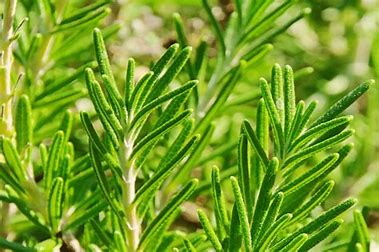
Rosemary: The Herb of Remembrance In the realm of culinary delights and herbal remedies, rosemary stands as a timeless symbol of both flavor and healing. With its fragrant, needle-like leaves and robust aroma, rosemary has secured its place not only in kitchens worldwide but also in folklore, medicine, and even as a token of remembrance. Botanical Background:Rosemary, scientifically known as Rosmarinus officinalis, is a woody, perennial herb with evergreen needle-like leaves. Belonging to the mint family, Lamiaceae, it is native to the Mediterranean region, where it thrives in sunny, well-drained soil. Rosemary is cultivated for both culinary and ornamental purposes, its distinctive scent and flavor enhancing dishes ranging from roasted meats to baked goods. Culinary Uses:Renowned for its versatility, rosemary adds depth and aroma to a myriad of dishes. Its pine-like fragrance infuses oils, marinades, and sauces, elevating the flavor profile of meats, vegetables, and even cocktails. From classic roast potatoes seasoned with sprigs of rosemary to tender lamb chops adorned with a rosemary rub, this herb has earned its place as a staple in kitchens worldwide. Medicinal Properties:Beyond its culinary prowess, rosemary boasts a rich history of medicinal use. Traditionally, it has been valued for its purported ability to improve memory and cognition, earning it the epithet “herb of remembrance” in Shakespearean literature. While scientific evidence is ongoing, some studies suggest that rosemary may indeed have cognitive benefits due to its antioxidant properties and potential to improve blood circulation. Folklore and Symbolism:Rosemary has long been intertwined with folklore and symbolism, embodying notions of love, loyalty, and remembrance. In ancient Greece and Rome, it was associated with Aphrodite, the goddess of love and beauty, and was often used in wedding ceremonies as a symbol of fidelity. In medieval Europe, it was believed that placing rosemary under one’s pillow would ward off evil spirits and promote restful sleep. Additionally, rosemary has been used in funerary rites as a token of remembrance, with mourners carrying sprigs of the herb to honor the departed. Cultural Significance:Across cultures, rosemary holds cultural significance beyond its culinary and medicinal uses. In Mediterranean cuisines, it is a beloved ingredient, imparting its distinctive flavor to dishes ranging from Italian focaccia to Greek souvlaki. In Spain, rosemary is a key component of traditional herb-infused olive oils, adding a fragrant note to dishes such as paella and gazpacho. Conclusion:From ancient times to the present day, rosemary has remained a cherished herb, revered for its culinary, medicinal, and symbolic properties. Whether adorning a roast chicken, steeping in a soothing tea, or serving as a fragrant reminder of loved ones, rosemary continues to captivate hearts and palates around the world, earning its place as a true herb of remembrance. Certainly! Let’s delve deeper into the various aspects of rosemary: Botanical Background:Rosemary, scientifically known as Rosmarinus officinalis, is a member of the mint family, Lamiaceae, which also includes herbs like basil, thyme, and oregano. It’s characterized by its evergreen leaves, which resemble needles and emit a distinct pine-like aroma. This hardy perennial herb originated in the Mediterranean region and prefers well-drained soil and plenty of sunlight for optimal growth. Its Latin name, “Rosmarinus,” translates to “dew of the sea,” reflecting its natural habitat along coastal areas. Culinary Uses:In the culinary world, rosemary is celebrated for its robust flavor and versatility. Its aromatic leaves are commonly used to season roasted meats, poultry, and fish, lending a fragrant and savory essence to dishes. Rosemary-infused oils and vinegars are popular for drizzling over salads or dipping bread. Additionally, fresh or dried rosemary can be added to soups, stews, marinades, and sauces to enhance their flavor profiles. The herb pairs exceptionally well with garlic, lemon, and olive oil, contributing to the vibrant and diverse cuisine of the Mediterranean region. Medicinal Properties:Rosemary has a long history of medicinal use dating back to ancient civilizations. Traditionally, it has been valued for its purported cognitive-enhancing properties, earning it the moniker “herb of remembrance.” Rosemary contains compounds like rosmarinic acid and carnosic acid, which have antioxidant and anti-inflammatory properties. Some studies suggest that rosemary may help improve memory, concentration, and mood, although more research is needed to confirm these effects definitively. Additionally, rosemary has been used topically as an essential oil to relieve muscle pain, stimulate hair growth, and promote overall well-being. Folklore and Symbolism:Throughout history, rosemary has been steeped in folklore and symbolism, often associated with love, loyalty, and remembrance. In ancient Greece and Rome, it was revered as a sacred herb dedicated to the goddess Aphrodite/Venus and was used in wedding ceremonies as a symbol of fidelity and love. In medieval Europe, it was believed to ward off evil spirits and protect against disease when worn as an amulet or burned as incense. Rosemary’s association with memory and remembrance is evident in its inclusion in funeral rites and memorial services, where mourners would carry sprigs of the herb to honor the departed and symbolize eternal love and remembrance. Cultural Significance:Rosemary holds cultural significance in various cuisines and traditions around the world. In Mediterranean cultures, it is a staple herb, featured prominently in dishes from Italy, Greece, Spain, and beyond. In Italy, rosemary is a key ingredient in Tuscan cuisine, flavoring dishes like roasted meats, bread, and beans. In Greece, it is often used in lamb dishes and savory pies. In Spain, rosemary-infused olive oil is a prized condiment, adding depth of flavor to traditional dishes like paella and aioli. Beyond the Mediterranean, rosemary is embraced in culinary traditions worldwide, reflecting its universal appeal and culinary versatility. Conclusion:Rosemary’s enduring popularity as a culinary herb, medicinal plant, and symbol of love and remembrance speaks to its timeless allure and cultural significance. Whether used to flavor a hearty stew, soothe aching muscles, or honor cherished memories, rosemary continues to captivate hearts and minds across generations and continents, embodying the rich tapestry of human history and tradition.
LIBIDO

Introduction:Libido, often referred to colloquially as “sex drive,” is a multifaceted aspect of human psychology and physiology that encompasses a spectrum of desires, motivations, and behaviors related to sexual activity. While commonly associated with physical arousal, libido is influenced by a myriad of factors, including biological, psychological, social, and cultural elements. In this article, we delve into the intricacies of libido, shedding light on its complexities and exploring its significance in human experience. The Biological Basis of Libido:At its core, libido is deeply rooted in biology. Hormones, neurotransmitters, and genetic predispositions all play critical roles in shaping individual variations in sexual desire. Testosterone, for instance, is often associated with heightened libido in both men and women, although its influence can vary significantly from person to person. Additionally, neurotransmitters like dopamine and serotonin contribute to the regulation of sexual arousal and pleasure, highlighting the intricate interplay between brain chemistry and sexual desire. Psychological and Emotional Factors:Beyond biology, psychological and emotional factors exert profound influences on libido. Stress, anxiety, depression, and relationship dynamics can all impact one’s sexual desire, either dampening or enhancing it. For some individuals, unresolved trauma or past experiences may shape their relationship with sexuality, leading to fluctuations in libido and sexual satisfaction. Moreover, cultural and societal norms surrounding sexuality can significantly influence individual attitudes and beliefs about sex, further shaping patterns of desire and behavior. The Role of Context:Libido is not a static phenomenon but is highly context-dependent. Environmental factors, such as setting, mood, and interpersonal dynamics, can significantly influence sexual arousal and desire. For example, a romantic getaway in a serene setting may kindle passion and intensify libido, whereas stress or distractions may inhibit it. Understanding the nuanced interplay between internal and external factors is essential for comprehending the fluidity of libido across different situations and stages of life. Variability and Diversity:It’s crucial to recognize that libido varies widely among individuals and can fluctuate throughout the lifespan. Factors such as age, hormonal changes, medication, and health conditions can all influence libido levels. Furthermore, cultural and societal differences contribute to diverse expressions of sexual desire, challenging notions of “normal” or “ideal” libido. Embracing this diversity is essential for fostering acceptance and understanding of the myriad ways in which individuals experience and express their sexuality. Navigating Challenges:For many people, navigating fluctuations in libido or addressing discrepancies between partners’ desires can pose significant challenges. Communication, empathy, and a willingness to explore and understand each other’s needs are crucial for fostering healthy sexual relationships. Seeking support from healthcare professionals or therapists can also provide valuable guidance and resources for individuals and couples facing libido-related concerns. Conclusion:In conclusion, libido is a complex and multifaceted aspect of human sexuality that encompasses biological, psychological, social, and cultural dimensions. Understanding the diverse factors that shape libido is essential for promoting sexual health and well-being. By embracing variability and fostering open dialogue, we can create a more inclusive and supportive environment in which individuals can explore and express their desires freely. Certainly! Let’s delve deeper into some of the key aspects of libido:
CARDIOVASCULAR SYSTEM

The cardiovascular system, often referred to as the circulatory system, is a complex network responsible for transporting nutrients, oxygen, hormones, and waste products throughout the body.
