BENEFIT OF ROSEMARY
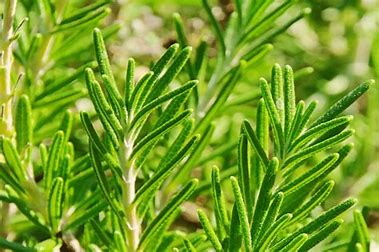
Rosemary: The Herb of Remembrance In the realm of culinary delights and herbal remedies, rosemary stands as a timeless symbol of both flavor and healing. With its fragrant, needle-like leaves and robust aroma, rosemary has secured its place not only in kitchens worldwide but also in folklore, medicine, and even as a token of remembrance. Botanical Background:Rosemary, scientifically known as Rosmarinus officinalis, is a woody, perennial herb with evergreen needle-like leaves. Belonging to the mint family, Lamiaceae, it is native to the Mediterranean region, where it thrives in sunny, well-drained soil. Rosemary is cultivated for both culinary and ornamental purposes, its distinctive scent and flavor enhancing dishes ranging from roasted meats to baked goods. Culinary Uses:Renowned for its versatility, rosemary adds depth and aroma to a myriad of dishes. Its pine-like fragrance infuses oils, marinades, and sauces, elevating the flavor profile of meats, vegetables, and even cocktails. From classic roast potatoes seasoned with sprigs of rosemary to tender lamb chops adorned with a rosemary rub, this herb has earned its place as a staple in kitchens worldwide. Medicinal Properties:Beyond its culinary prowess, rosemary boasts a rich history of medicinal use. Traditionally, it has been valued for its purported ability to improve memory and cognition, earning it the epithet “herb of remembrance” in Shakespearean literature. While scientific evidence is ongoing, some studies suggest that rosemary may indeed have cognitive benefits due to its antioxidant properties and potential to improve blood circulation. Folklore and Symbolism:Rosemary has long been intertwined with folklore and symbolism, embodying notions of love, loyalty, and remembrance. In ancient Greece and Rome, it was associated with Aphrodite, the goddess of love and beauty, and was often used in wedding ceremonies as a symbol of fidelity. In medieval Europe, it was believed that placing rosemary under one’s pillow would ward off evil spirits and promote restful sleep. Additionally, rosemary has been used in funerary rites as a token of remembrance, with mourners carrying sprigs of the herb to honor the departed. Cultural Significance:Across cultures, rosemary holds cultural significance beyond its culinary and medicinal uses. In Mediterranean cuisines, it is a beloved ingredient, imparting its distinctive flavor to dishes ranging from Italian focaccia to Greek souvlaki. In Spain, rosemary is a key component of traditional herb-infused olive oils, adding a fragrant note to dishes such as paella and gazpacho. Conclusion:From ancient times to the present day, rosemary has remained a cherished herb, revered for its culinary, medicinal, and symbolic properties. Whether adorning a roast chicken, steeping in a soothing tea, or serving as a fragrant reminder of loved ones, rosemary continues to captivate hearts and palates around the world, earning its place as a true herb of remembrance. Certainly! Let’s delve deeper into the various aspects of rosemary: Botanical Background:Rosemary, scientifically known as Rosmarinus officinalis, is a member of the mint family, Lamiaceae, which also includes herbs like basil, thyme, and oregano. It’s characterized by its evergreen leaves, which resemble needles and emit a distinct pine-like aroma. This hardy perennial herb originated in the Mediterranean region and prefers well-drained soil and plenty of sunlight for optimal growth. Its Latin name, “Rosmarinus,” translates to “dew of the sea,” reflecting its natural habitat along coastal areas. Culinary Uses:In the culinary world, rosemary is celebrated for its robust flavor and versatility. Its aromatic leaves are commonly used to season roasted meats, poultry, and fish, lending a fragrant and savory essence to dishes. Rosemary-infused oils and vinegars are popular for drizzling over salads or dipping bread. Additionally, fresh or dried rosemary can be added to soups, stews, marinades, and sauces to enhance their flavor profiles. The herb pairs exceptionally well with garlic, lemon, and olive oil, contributing to the vibrant and diverse cuisine of the Mediterranean region. Medicinal Properties:Rosemary has a long history of medicinal use dating back to ancient civilizations. Traditionally, it has been valued for its purported cognitive-enhancing properties, earning it the moniker “herb of remembrance.” Rosemary contains compounds like rosmarinic acid and carnosic acid, which have antioxidant and anti-inflammatory properties. Some studies suggest that rosemary may help improve memory, concentration, and mood, although more research is needed to confirm these effects definitively. Additionally, rosemary has been used topically as an essential oil to relieve muscle pain, stimulate hair growth, and promote overall well-being. Folklore and Symbolism:Throughout history, rosemary has been steeped in folklore and symbolism, often associated with love, loyalty, and remembrance. In ancient Greece and Rome, it was revered as a sacred herb dedicated to the goddess Aphrodite/Venus and was used in wedding ceremonies as a symbol of fidelity and love. In medieval Europe, it was believed to ward off evil spirits and protect against disease when worn as an amulet or burned as incense. Rosemary’s association with memory and remembrance is evident in its inclusion in funeral rites and memorial services, where mourners would carry sprigs of the herb to honor the departed and symbolize eternal love and remembrance. Cultural Significance:Rosemary holds cultural significance in various cuisines and traditions around the world. In Mediterranean cultures, it is a staple herb, featured prominently in dishes from Italy, Greece, Spain, and beyond. In Italy, rosemary is a key ingredient in Tuscan cuisine, flavoring dishes like roasted meats, bread, and beans. In Greece, it is often used in lamb dishes and savory pies. In Spain, rosemary-infused olive oil is a prized condiment, adding depth of flavor to traditional dishes like paella and aioli. Beyond the Mediterranean, rosemary is embraced in culinary traditions worldwide, reflecting its universal appeal and culinary versatility. Conclusion:Rosemary’s enduring popularity as a culinary herb, medicinal plant, and symbol of love and remembrance speaks to its timeless allure and cultural significance. Whether used to flavor a hearty stew, soothe aching muscles, or honor cherished memories, rosemary continues to captivate hearts and minds across generations and continents, embodying the rich tapestry of human history and tradition.
LIBIDO

Introduction:Libido, often referred to colloquially as “sex drive,” is a multifaceted aspect of human psychology and physiology that encompasses a spectrum of desires, motivations, and behaviors related to sexual activity. While commonly associated with physical arousal, libido is influenced by a myriad of factors, including biological, psychological, social, and cultural elements. In this article, we delve into the intricacies of libido, shedding light on its complexities and exploring its significance in human experience. The Biological Basis of Libido:At its core, libido is deeply rooted in biology. Hormones, neurotransmitters, and genetic predispositions all play critical roles in shaping individual variations in sexual desire. Testosterone, for instance, is often associated with heightened libido in both men and women, although its influence can vary significantly from person to person. Additionally, neurotransmitters like dopamine and serotonin contribute to the regulation of sexual arousal and pleasure, highlighting the intricate interplay between brain chemistry and sexual desire. Psychological and Emotional Factors:Beyond biology, psychological and emotional factors exert profound influences on libido. Stress, anxiety, depression, and relationship dynamics can all impact one’s sexual desire, either dampening or enhancing it. For some individuals, unresolved trauma or past experiences may shape their relationship with sexuality, leading to fluctuations in libido and sexual satisfaction. Moreover, cultural and societal norms surrounding sexuality can significantly influence individual attitudes and beliefs about sex, further shaping patterns of desire and behavior. The Role of Context:Libido is not a static phenomenon but is highly context-dependent. Environmental factors, such as setting, mood, and interpersonal dynamics, can significantly influence sexual arousal and desire. For example, a romantic getaway in a serene setting may kindle passion and intensify libido, whereas stress or distractions may inhibit it. Understanding the nuanced interplay between internal and external factors is essential for comprehending the fluidity of libido across different situations and stages of life. Variability and Diversity:It’s crucial to recognize that libido varies widely among individuals and can fluctuate throughout the lifespan. Factors such as age, hormonal changes, medication, and health conditions can all influence libido levels. Furthermore, cultural and societal differences contribute to diverse expressions of sexual desire, challenging notions of “normal” or “ideal” libido. Embracing this diversity is essential for fostering acceptance and understanding of the myriad ways in which individuals experience and express their sexuality. Navigating Challenges:For many people, navigating fluctuations in libido or addressing discrepancies between partners’ desires can pose significant challenges. Communication, empathy, and a willingness to explore and understand each other’s needs are crucial for fostering healthy sexual relationships. Seeking support from healthcare professionals or therapists can also provide valuable guidance and resources for individuals and couples facing libido-related concerns. Conclusion:In conclusion, libido is a complex and multifaceted aspect of human sexuality that encompasses biological, psychological, social, and cultural dimensions. Understanding the diverse factors that shape libido is essential for promoting sexual health and well-being. By embracing variability and fostering open dialogue, we can create a more inclusive and supportive environment in which individuals can explore and express their desires freely. Certainly! Let’s delve deeper into some of the key aspects of libido:
CARDIOVASCULAR SYSTEM

The cardiovascular system, often referred to as the circulatory system, is a complex network responsible for transporting nutrients, oxygen, hormones, and waste products throughout the body.
LUMBAGO: THE BEST WAY TO TREAT BACK PAIN

Lower back pain, commonly known as lumbago, affects millions globally, regardless of age or background. Its impact ranges from discomfort to debilitating agony, significantly affecting daily life and overall well-being. In this blog post, we explore lumbago’s complexity, prevalence, diverse impacts, and the challenges in finding relief and restoring quality of life. THE CHRONICLES OF LUMBAGO Lumbago, derived from the Latin “lumbus” for lower back, is essentially synonymous with lower back pain, often originating in the lumbar spine’s five vertebrae crucial for body support and movement. Caused by strain, injury, or underlying medical conditions, lumbago is a global health concern, with approximately 7.5% of the world’s population experiencing it, and about 22% encountering lower back pain at some point. UNDERSTANDING THE CAUSES OF LOWER BACK PAIN Factors contributing to lumbago include muscle strain, poor posture, spinal abnormalities like herniated discs, degenerative changes due to aging, and psycho-social factors such as stress and depression. Lower back pain can be acute or chronic, each requiring tailored treatment plans addressing physical, psychological, and lifestyle factors. SYMPTOMS OF LUMBAGO Lumbago presents as localized or radiating pain, stiffness, limited mobility, muscle spasms, and numbness or tingling sensations, varying in intensity and persistence. Recognizing symptoms is crucial for early diagnosis and effective management, including seeking medical attention for accurate diagnosis and tailored treatment plans. NATURAL REMEDIES FOR LUMBAGO Holistic approaches to managing lumbago include exercise and stretching, heat and cold therapy, maintaining proper posture, massage therapy, mindfulness and meditation, balanced diet, fruits and vegetables rich in anti-inflammatory properties, regular exercise, quality sleep, and proper sleeping posture. Incorporating these remedies can complement conventional treatments, leading to improved mobility, reduced pain, and better overall spinal health. MEDICAL HERBAL REMEDIES FOR LUMBAGO In addition to lifestyle modifications and natural remedies, herbal supplements offer a promising avenue for managing lumbago. Herbal remedies have been utilized for centuries in various cultures for their analgesic, anti-inflammatory, and healing properties. Let’s explore some potent herbs that can aid in the treatment of lumbago: – Achillea millefolium (Yarrow): Yarrow is a powerful medicinal plant known for its anti-inflammatory properties. It has been traditionally used to alleviate inflammatory pain associated with lumbago and other musculoskeletal conditions. – Colocynthis: Also known as bitter cucumber or bitter apple, colocynthis is valued for its analgesic and anti-inflammatory effects. It can help relieve muscle spasms and nerve-related pain, making it beneficial for individuals with lumbago. – Bryonia (White Bryony): Bryonia is a homeopathic remedy commonly used to treat acute and chronic lower back pain. It is particularly effective for pain that worsens with motion and is relieved by rest. – Arnica: Arnica is widely used topically as a cream, gel, or ointment to alleviate muscle soreness, bruising, and inflammation associated with lumbago. – Comfrey: Comfrey contains compounds known as allantoin and rosmarinic acid, which possess anti-inflammatory and analgesic properties. It can be applied topically as a poultice or used in ointments to relieve lower back pain. * Western African Herbs: Traditional herbal remedies from West Africa also offer potential benefits for treating lumbago. These include: – Neem (Dongoyaro): Neem is revered for its anti-inflammatory and analgesic properties. It has been used traditionally to alleviate pain and inflammation associated with lower back pain. – African Eggplant (Igba): African eggplant is rich in antioxidants and anti-inflammatory compounds. Consuming or applying extracts of African eggplant may help reduce inflammation and alleviate lower back pain. – Pawpaw (Ibepe): Pawpaw, or papaya, contains enzymes such as papain that have anti-inflammatory properties. Consuming pawpaw fruit or applying pawpaw extracts topically may provide relief from lower back pain. These herbal remedies offer natural alternatives to conventional pain medications and may provide relief for individuals suffering from lumbago. In conclusion, lumbago’s impact is significant, but with a comprehensive understanding of its causes, symptoms, and holistic management approaches, individuals can find relief and improve their quality of life.
The Healing Power of Aloe Ferox
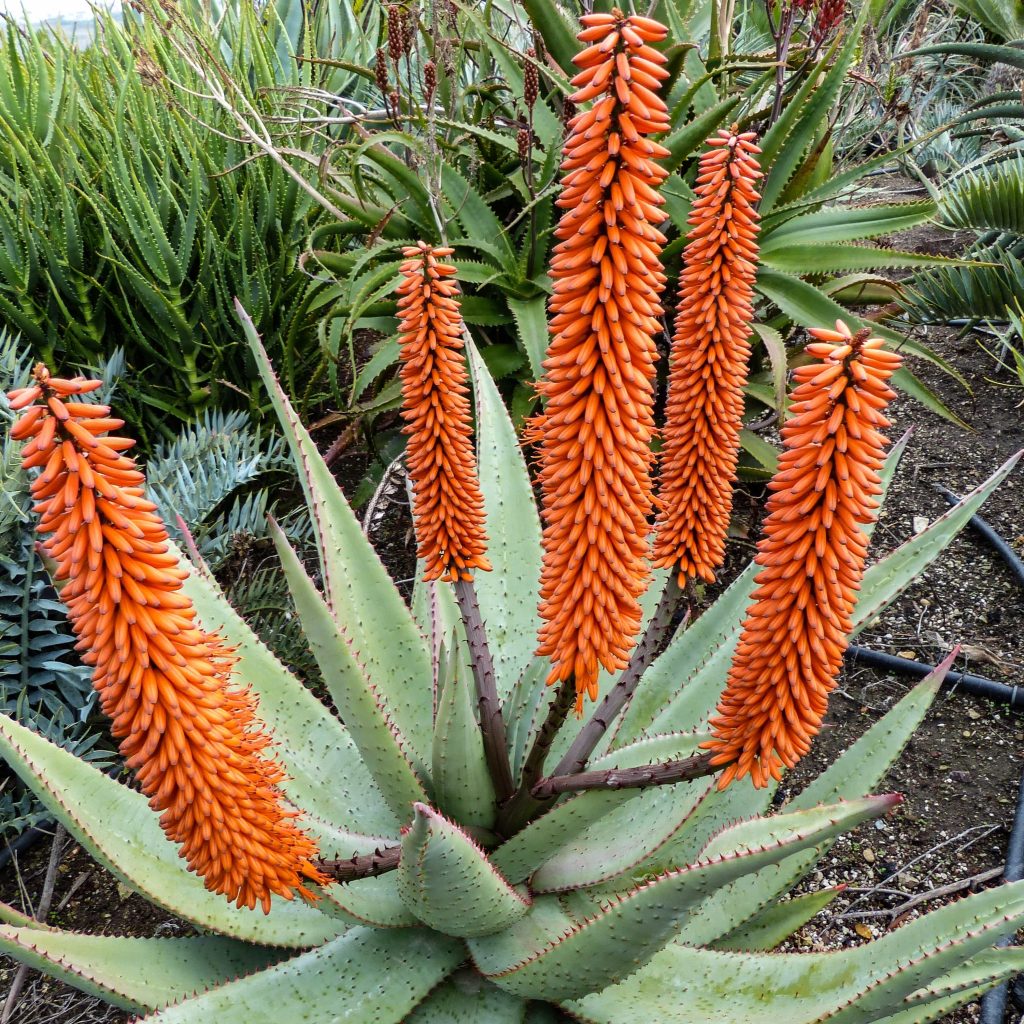
In the heart of the South African landscape lies a botanical treasure with centuries-old healing secrets — Aloe ferox. Revered by indigenous communities for its medicinal properties, this succulent plant has garnered global attention for its myriad health and beauty benefits. From soothing skin irritations to supporting digestive wellness, Aloe ferox stands as a testament to the remarkable potency of nature’s remedies. Origin and Cultivation:Aloe ferox, also known as Cape Aloe or Bitter Aloe, is endemic to the Western Cape of South Africa, where it thrives in the region’s arid, sun-drenched terrain. Renowned for its robustness and resilience, this succulent belongs to the Aloe genus, which encompasses over 500 species known for their therapeutic properties. Cultivated for centuries by indigenous communities such as the Khoisan and Xhosa, Aloe ferox holds a sacred place in traditional African medicine. Historically, the gel extracted from its fleshy leaves was used to treat various ailments, earning it the moniker “the miracle plant of the Karoo.” Medicinal Properties:The therapeutic potential of Aloe ferox lies in its rich biochemical composition. Packed with vitamins, minerals, enzymes, and amino acids, this plant offers a holistic approach to health and well-being. One of its primary uses is in skincare. The gel derived from Aloe ferox leaves possesses remarkable moisturizing and soothing properties, making it a popular ingredient in cosmetics and topical ointments. From alleviating sunburns and minor wounds to combating acne and eczema, its anti-inflammatory and antimicrobial effects promote skin health and regeneration. Moreover, Aloe ferox is renowned for its digestive benefits. When ingested, its latex — a bitter yellow sap derived from the outer leaf layers — acts as a natural laxative, aiding in constipation relief and promoting bowel regularity. Additionally, research suggests that Aloe ferox may support gastrointestinal health by soothing digestive discomfort and reducing inflammation in conditions like irritable bowel syndrome (IBS). Furthermore, Aloe ferox exhibits antioxidant properties, which help combat oxidative stress and strengthen the body’s natural defenses against environmental toxins and free radicals. Its immune-boosting effects contribute to overall health and vitality, making it a valuable ally in holistic wellness routines. Cultural Significance and Modern Applications:Beyond its medicinal uses, Aloe ferox holds cultural significance as a symbol of resilience and healing in South African folklore. Traditionally, it was revered for its ability to ward off evil spirits and promote spiritual cleansing rituals. In contemporary times, Aloe ferox continues to captivate global audiences, finding its way into a myriad of health and beauty products, from skincare serums to dietary supplements. Its versatility and effectiveness have made it a staple ingredient in natural remedies and wellness regimens worldwide. Conclusion:Aloe ferox stands as a testament to nature’s bountiful offerings, offering a holistic approach to health and beauty that transcends cultural boundaries. From its origins in the rugged landscapes of South Africa to its widespread adoption in modern wellness practices, this remarkable succulent exemplifies the enduring power of botanical remedies. As we continue to explore the wonders of nature, may we cherish and respect the healing gifts bestowed upon us by plants like Aloe ferox. Certainly! Let’s delve deeper into some key aspects of Aloe ferox: Overall, the multifaceted benefits of Aloe ferox make it a versatile and valuable addition to natural health and beauty routines, embodying the harmonious relationship between humanity and the natural world.
Benefits of Artemisia afra: Africa’s Healing Herb
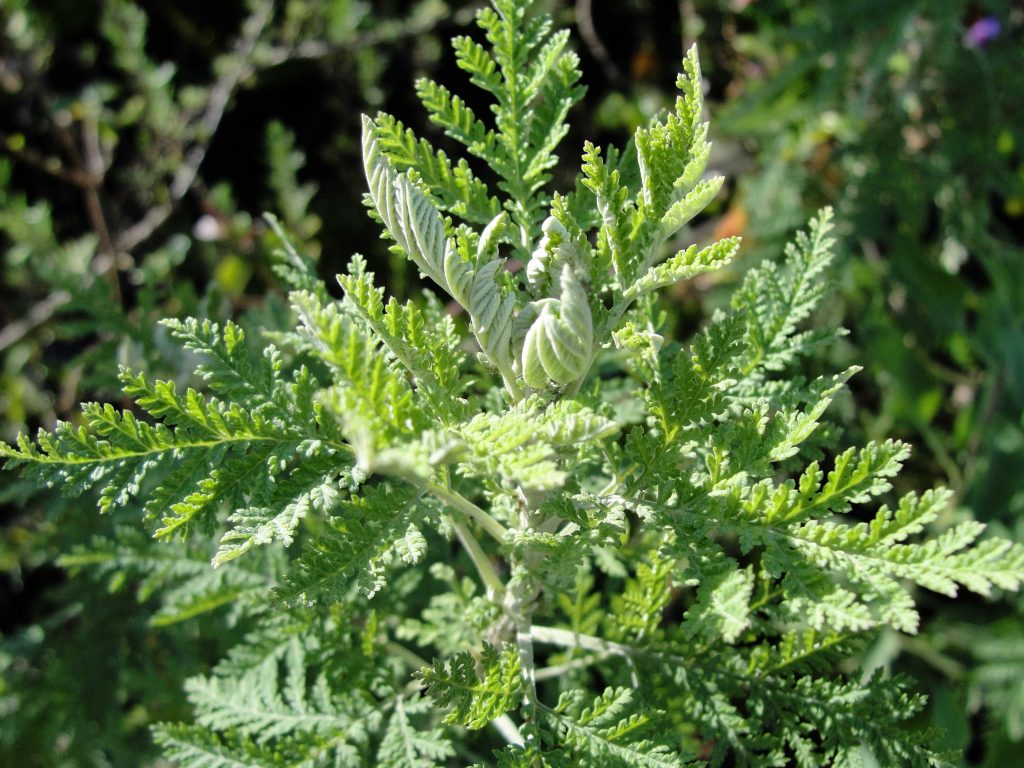
Introduction:Artemisia afra, commonly known as African wormwood or Wilde als, is a remarkable plant native to the African continent. Revered for its potent medicinal properties and cultural significance, Artemisia afra has a rich history spanning centuries. From traditional remedies to modern scientific exploration, this herb continues to captivate researchers and healers alike. Let’s delve into the fascinating world of Artemisia afra and uncover its diverse uses and benefits. Historical Roots:The usage of Artemisia afra traces back centuries, deeply rooted in African traditional medicine. Indigenous communities across the continent have long revered this herb for its therapeutic effects. It has been employed to treat various ailments, ranging from respiratory conditions to digestive disorders. Additionally, Artemisia afra holds cultural significance in many African societies, often featuring prominently in rituals and ceremonies. Medicinal Properties:Artemisia afra boasts a plethora of medicinal properties, making it a versatile herb in natural healing practices. It contains essential oils, flavonoids, and other compounds known for their antibacterial, antifungal, and anti-inflammatory properties. These properties make Artemisia afra effective in combating infections, relieving pain, and promoting overall well-being. Furthermore, recent studies have highlighted its potential in managing conditions such as malaria and diabetes, sparking interest in its therapeutic applications. Traditional Uses:In traditional African medicine, Artemisia afra is utilized in various forms, including teas, tinctures, and topical preparations. It is often employed to alleviate symptoms of respiratory ailments like coughs, colds, and asthma. Additionally, Artemisia afra is valued for its ability to aid digestion, ease menstrual discomfort, and promote relaxation. The holistic approach of traditional healers recognizes the interconnectedness of the body, mind, and spirit, viewing Artemisia afra as a valuable tool in restoring balance and harmony. Modern Research and Innovation:In recent years, scientific interest in Artemisia afra has surged, leading to extensive research into its medicinal properties. Studies have elucidated its mechanisms of action and validated many of its traditional uses. Moreover, the discovery of artemisinin, a compound derived from Artemisia annua (a close relative of Artemisia afra), revolutionized malaria treatment worldwide. This breakthrough has spurred further investigation into Artemisia species, including Artemisia afra, as potential sources of novel therapeutics. Challenges and Opportunities:Despite its promising potential, Artemisia afra faces challenges, including habitat loss, overharvesting, and insufficient research funding. Conservation efforts are crucial to safeguarding this invaluable plant and preserving its biodiversity. Additionally, there is a need for further clinical trials to explore its efficacy and safety comprehensively. Collaborative initiatives involving researchers, healthcare practitioners, and local communities can facilitate sustainable utilization and harness the full benefits of Artemisia afra. Conclusion:Artemisia afra stands as a testament to the profound wisdom of traditional healing practices and the untapped potential of nature’s pharmacy. Its rich history, diverse uses, and medicinal properties underscore its significance in African culture and global health. As we continue to unravel its mysteries and harness its healing power, let us embrace Artemisia afra as a symbol of resilience, innovation, and harmony with nature.
THE POWER OF SAGE
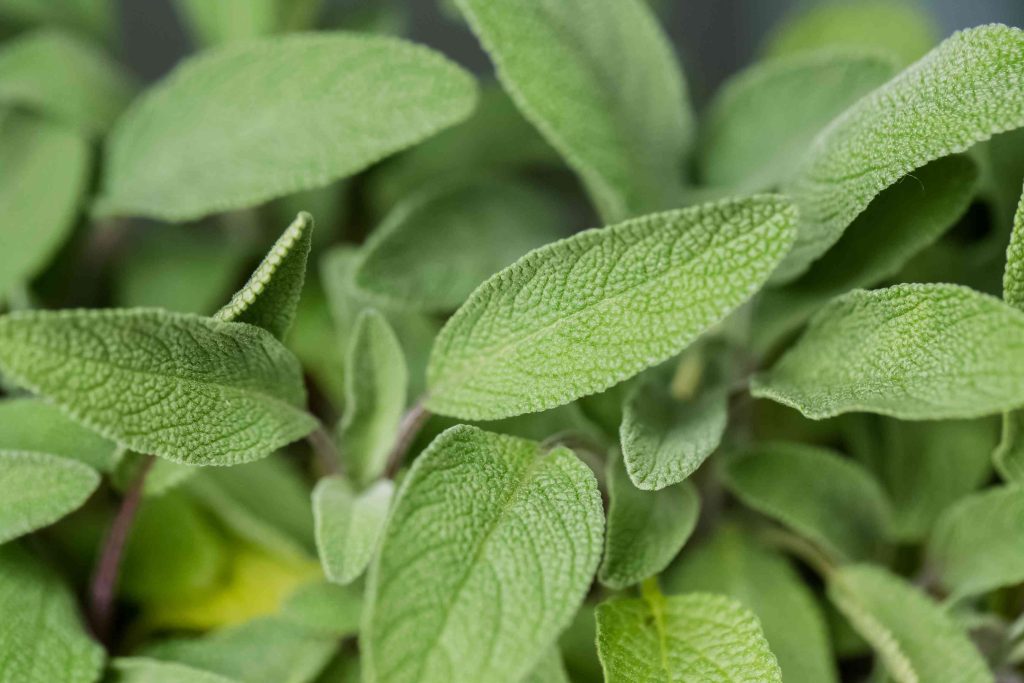
Title: Harnessing the Power of Sage: A Comprehensive Guide Introduction:In the realm of herbs and botanical wonders, few plants hold as much reverence and utility as Sage (Salvia officinalis). Revered for centuries for its medicinal, culinary, and spiritual properties, sage stands as a symbol of wisdom, purification, and healing across various cultures worldwide. Let’s embark on a journey to uncover the multifaceted nature of sage and explore its diverse applications. History and Cultural Significance:Sage’s history is deeply intertwined with humanity’s narrative, dating back to ancient civilizations. The word “sage” itself originates from the Latin word “salvare,” meaning “to heal” or “to save.” Ancient Egyptians valued sage for its healing properties, while the Greeks and Romans esteemed it for its culinary and medicinal virtues. In Native American traditions, sage holds spiritual significance, often used in smudging ceremonies to cleanse spaces of negative energy. Culinary Delight:One of the most prominent uses of sage is in the culinary world. Its robust, earthy flavor adds depth to a wide array of dishes, particularly in Mediterranean and European cuisines. Whether used fresh or dried, sage imparts a savory essence to soups, stews, sauces, and stuffing. It pairs exquisitely with poultry, pork, and game meats, elevating their taste profiles with its aromatic presence. Additionally, sage-infused oils and vinegars offer a delightful twist to culinary creations. Medicinal Properties:Beyond its culinary allure, sage boasts an impressive array of medicinal properties. Rich in antioxidants and essential oils, sage has been used traditionally to alleviate digestive issues, soothe sore throats, and relieve inflammation. Its antimicrobial properties make it a potent ally in fighting bacterial infections, while its astringent qualities contribute to oral health when used in mouthwashes or gargles. Some studies suggest that sage may even enhance cognitive function and memory, earning it the moniker “herb of remembrance.” Spiritual and Ritualistic Uses:Sage holds a sacred place in various spiritual practices worldwide. Burning dried sage, known as smudging, is a ritualistic practice believed to cleanse negative energy from spaces, objects, and individuals. This ancient tradition is still prevalent today, particularly in Native American ceremonies and modern holistic healing practices. The aromatic smoke of burning sage is said to promote clarity, purification, and spiritual harmony, making it a staple in mindfulness rituals and meditation practices. Cultivation and Sustainability:Sage is a hardy perennial herb that thrives in well-drained soil and ample sunlight, making it relatively easy to cultivate in home gardens or containers. With proper care, sage plants can provide a bountiful harvest year after year. However, as with any plant, responsible cultivation and harvesting practices are essential to ensure sustainability. Wild populations of sage may face threats from over-harvesting and habitat destruction, emphasizing the importance of ethical sourcing and conservation efforts. Conclusion:Sage, with its rich history, versatile applications, and profound symbolism, continues to captivate and inspire people worldwide. Whether used in the kitchen to tantalize taste buds, in the medicine cabinet to soothe ailments, or in spiritual practices to cleanse energies, sage remains a cherished ally on life’s journey. As we embrace its wisdom and embrace its gifts, may we honor the sacred bond between humanity and nature that sage so beautifully embodies.Sage stands as a testament to the healing power of nature, offering a myriad of health benefits backed by centuries of traditional use and modern scientific research. Whether enjoyed as a culinary herb, brewed into tea, or used medicinally, sage has the potential to enhance well-being and vitality. Embracing sage as a part of a balanced lifestyle may lead to improved health and a deeper connection to the wisdom of the world.
“Unveiling the Power of Shilajit: Nature’s Ancient Elixir for Health and Vital1ty”

Shilajit is a natural substance found in the Himalayas, Altai, Caucasus, and other mountain ranges. It’s a thick, sticky tar-like substance that oozes from the rocks, particularly during the warmer months of the year. Known for its potent medicinal properties, Shilajit has been used for centuries in traditional Ayurvedic medicine and is gaining popularity in modern wellness practices. Here’s an article about Shilajit: Unlocking the Mysteries of Shilajit: A Potent Elixir from the Mountains Nestled high in the pristine peaks of the Himalayas, there lies a treasure revered for millennia by those who know its secrets. This treasure is Shilajit – a potent substance hailed for its remarkable health benefits and revered as a panacea in ancient Ayurvedic medicine. Origins and Formation Shilajit is formed over centuries through the gradual decomposition of plant matter and minerals in the rocks of mountainous regions. This process is facilitated by the action of microbes and pressure from the surrounding geological forces. The result is a dense, resinous substance that seeps out from the cracks and crevices of the rocks, especially during the warmer months. Composition and Properties Shilajit is a complex mixture of organic and inorganic compounds, including fulvic acid, humic acid, minerals, trace elements, and other bioactive substances. Its precise composition can vary depending on the geographical location and environmental conditions of its formation. Health Benefits Shilajit is renowned for its wide-ranging health benefits, which have been documented in both traditional and modern medical practices. Some of its key therapeutic properties include: Usage and Dosage Shilajit is typically consumed in a purified form, either as a resin or powder, after undergoing meticulous processing to remove impurities and ensure potency. It can be taken orally, either alone or mixed with water, milk, or herbal teas. Dosage recommendations vary depending on factors such as age, health status, and specific health goals, so it’s essential to consult with a qualified healthcare practitioner before starting any new supplement regimen. Conclusion In the modern era of holistic wellness, Shilajit stands out as a time-honored remedy with a wealth of scientific research supporting its myriad health benefits. Whether you’re seeking to boost your energy, support your cognitive function, or enhance your overall well-being, this ancient elixir from the mountains may hold the key to unlocking your full potential. As with any natural remedy, it’s crucial to source Shilajit from reputable suppliers and ensure quality and purity. When used mindfully and in accordance with traditional wisdom, Shilajit can be a valuable ally on your journey to optimal health and vitality. covering its origins, composition, health benefits, usage, and considerations for safe and effective supplementation. It strikes a balance between scientific information and accessible language, making it informative and engaging for a broad audience interested in natural health remedies. Shilajit offers ecological benefits by supporting sustainable harvesting practices, contributing to biodiversity conservation, enriching soil fertility, sequestering carbon, improving water quality, and preserving cultural and indigenous knowledge. Incorporating these ecological considerations into Shilajit harvesting and utilization can help ensure its long-term viability as a natural resource while promoting environmental stewardship and community well-being.
“Embracing Elegance: The Protea – Jewel of South Africa”

“Embracing Elegance: The Protea – Jewel of South Africa” Discovering the Magnificence of the Protea: South Africa’s National Flower The Protea, renowned for its striking beauty and resilience, stands as an emblem of South Africa’s rich biodiversity and cultural heritage. With its unique appearance and symbolism, this extraordinary flower has captured the hearts of people around the world. Origins and Symbolism The Protea belongs to the genus Protea, which is part of the family Proteaceae. It is native to the southern regions of Africa, particularly South Africa, where it thrives in a variety of habitats, from coastal plains to mountain slopes. The name “Protea” is derived from the Greek god Proteus, who could change his form at will, reflecting the diverse forms of this flower. In South Africa, the Protea holds significant cultural and symbolic value. It has been adopted as the national flower, representing the country’s natural beauty, diversity, and resilience. The flower’s ability to flourish in harsh conditions mirrors the strength and endurance of the South African people. Characteristics and Varieties Proteas are characterized by their large, showy flower heads and leathery foliage. The flower heads, known as inflorescences, come in a wide range of shapes, sizes, and colors, from vibrant reds and pinks to soft whites and creams. One of the most iconic varieties is the King Protea (Protea cynaroides), which features a large, crown-like bloom with prominent bracts resembling petals. Beyond the King Protea, there are over 80 species of Protea, each with its own unique charm. Some popular varieties include the Pink Mink, Blushing Bride, and Sugarbush Protea, each offering a stunning display of color and form. Protea’s captivating appearance has inspired artists, poets, and designers across various disciplines. Its bold colors, intricate patterns, and sculptural form have been depicted in paintings, sculptures, textiles, and jewelry. From traditional African art to contemporary design, the Protea continues to inspire creativity and innovation, serving as a muse for countless works of art. Cultural Significance In addition to its status as the national flower, the Protea holds cultural significance in various aspects of South African life. It is often used in traditional ceremonies, celebrations, and as a motif in art and design. The flower’s beauty and resilience make it a symbol of hope, transformation, and prosperity. Proteas are also cherished for their role in the floral industry, where they are prized for their longevity and versatility. They are commonly used in floral arrangements, bouquets, and as cut flowers, both locally and internationally. Conservation and Preservation Despite its cultural and commercial value, some species of Protea are facing threats from habitat loss, invasive species, and climate change. Conservation efforts are underway to protect these iconic flowers and their natural habitats. Initiatives include habitat restoration, seed banking, and public awareness campaigns to promote the importance of preserving South Africa’s floral heritage. Despite its popularity and cultural significance, the Protea faces conservation challenges in its native habitat. Factors such as habitat loss, invasive species, and climate change threaten the survival of some Protea species. Conservation efforts are underway to address these challenges, including habitat restoration, species monitoring, and public education initiatives to raise awareness about the importance of preserving native flora and fauna. Once upon a time, nestled in the rugged landscapes of South Africa, there existed a pristine wilderness where the Protea reigned supreme. Among its vibrant blooms and lush foliage, a remarkable tale unfolded, showcasing the flower’s invaluable contributions to both the ecosystem and human health. In this enchanting wilderness, a diverse array of wildlife depended on the Protea for sustenance and shelter. The nectar-rich flowers attracted an assortment of pollinators, from delicate butterflies to industrious bees, ensuring the continuation of life within the ecosystem. Meanwhile, the sturdy branches and dense foliage provided refuge for small mammals and nesting sites for birds, fostering biodiversity and ecological balance. But the Protea’s benevolence extended beyond its role in the natural world. Deep within the heart of the wilderness, a community thrived in harmony with their surroundings, drawing upon the flower’s medicinal properties for healing and wellness. For generations, the indigenous people had revered the Protea as a source of healing, utilizing its leaves, petals, and roots to concoct remedies for various ailments. One day, a young healer named Sibongile embarked on a journey through the wilderness in search of medicinal plants to aid her ailing village. As she traversed the rugged terrain, she encountered an abundance of Protea flowers adorning the landscape. Guided by ancient wisdom passed down through generations, Sibongile carefully harvested the leaves and petals, knowing their potent healing properties could alleviate suffering and restore health. Upon returning to her village, Sibongile diligently prepared herbal remedies infused with the essence of the Protea. Her concoctions proved to be a blessing to those in need, offering relief from pain, fever, and inflammation. Word of Sibongile’s healing prowess spread far and wide, drawing people from distant lands seeking solace and restoration. As time passed, the wilderness flourished, teeming with life and vitality, thanks to the Protea’s enduring presence. The ecosystem remained in balance, sustained by the flower’s ecological contributions, while the community thrived, empowered by its healing properties. And so, the story of the Protea unfolded as a testament to its profound significance, both as a guardian of the wilderness and a beacon of health and wellness for all who cherished its gifts. In conclusion, the Protea stands as a symbol of South Africa’s natural beauty, resilience, and cultural richness. From its origins in the wild landscapes of Africa to its global appeal, this magnificent flower continues to captivate and inspire people around the world.
BITTER LEAF BEYOND BORDERS
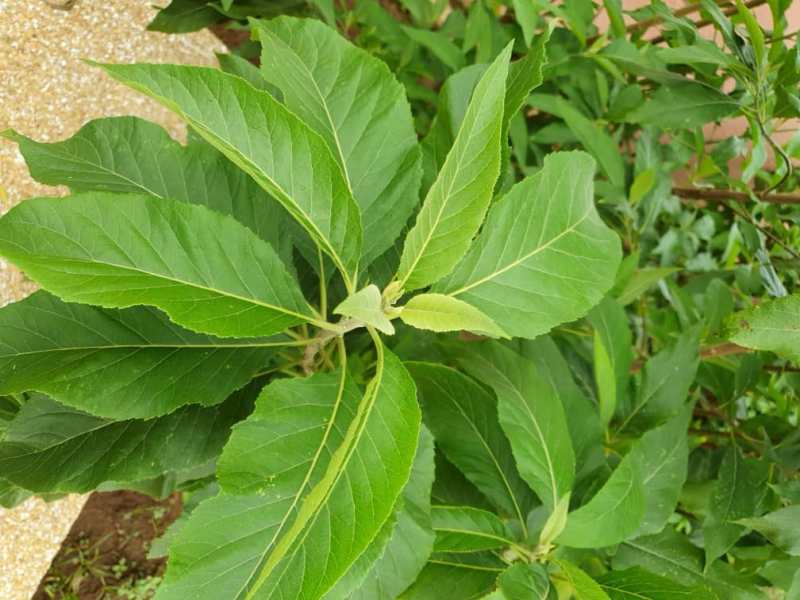
Bitter leaf, scientifically known as Vernonia amygdalina, is a plant deeply ingrained in the culinary and medicinal practices of various cultures worldwide. Despite its initial bitter taste, bitter leaf offers a plethora of health benefits and culinary possibilities. In this comprehensive exploration, we delve into the multifaceted nature of bitter leaf, examining its nutritional profile, medicinal properties, culinary applications, cultivation methods, and ways to incorporate it into your diet. Nutritional Powerhouse: Bitter leaf is celebrated for its rich nutritional composition, packed with essential vitamins, minerals, and antioxidants. Bitter leaf is a abundant source of vitamins A, C, and E, as well as minerals like calcium, potassium, and iron. These nutrients play vital roles in supporting overall health and well-being. The high antioxidant content found in bitter leaf helps combat oxidative stress and inflammation, thereby strengthening the immune system and promoting vibrant health. Medicinal Properties: Beyond its nutritional value, bitter leaf possesses remarkable medicinal properties that have been acknowledged for centuries in traditional medicine systems. Research has shown that bitter leaf exhibits anti-inflammatory, antimicrobial, and antiparasitic properties, making it effective in treating a wide range of ailments. From malaria to diabetes to gastrointestinal disorders, bitter leaf has been utilized as a therapeutic remedy. Its ability to regulate blood sugar levels and aid digestion has made it particularly popular for managing diabetes and digestive issues. In traditional medicine practices, bitter leaf has been used for centuries due to its remarkable medicinal properties. Studies have shown its effectiveness in combating inflammation, microbial infections, and parasites, making it valuable in treating various ailments such as malaria, diabetes, and digestive disorders. Its ability to regulate blood sugar levels and improve digestion has further cemented its status as a natural remedy. Culinary Delights: Despite its initial bitterness, bitter leaf is a versatile ingredient that adds depth and complexity to a variety of culinary dishes. In West African cuisine, bitter leaf is commonly used in soups, stews, and sauces, imparting a unique flavor profile that balances the richness of other ingredients. Nigerian dishes like Bitter Leaf Soup (Ofe Onugbu) and Egusi Soup highlight the distinct taste and nutritional benefits of bitter leaf. Similarly, in Southeast Asia, bitter leaf is incorporated into salads, stir-fries, and herbal teas, showcasing its versatility in different culinary traditions. Cultivation and Harvesting: Bitter leaf is a resilient plant that thrives in tropical and subtropical climates, making it relatively easy to cultivate in home gardens or farms. It grows abundantly in the wild and can be harvested throughout the year, with the leaves typically harvested when young and tender for optimal flavor and nutrient content. Bitter leaf can also be dried and powdered for long-term storage or used to make herbal extracts and supplements. Incorporating Bitter Leaf into Your Diet: Adding bitter leaf to your diet is a simple and delicious way to reap its numerous health benefits. Whether enjoyed in traditional dishes, herbal teas, or as a nutrient-packed addition to smoothies and salads, bitter leaf offers a flavorful and nutritious boost to any meal. Experimenting with different cooking methods and flavor combinations allows you to explore the versatility of this culinary gem. Conclusion: Bitter leaf is a testament to the wonders of nature, offering a harmonious blend of nutrition, medicine, and culinary delight. Its rich nutritional profile, medicinal properties, and diverse culinary applications continue to captivate and inspire people around the world. By embracing this humble yet extraordinary plant, we can unlock its full potential to nourish our bodies, alleviate ailments, and tantalize our taste buds with its unique flavor and versatility. Whether you’re incorporating it into traditional recipes or exploring new culinary horizons, bitter leaf has much to offer in enhancing both health and culinary experiences.